
Quiet luxury at home is less about display and more about restraint: calm proportions, tactile materials, and thoughtful editing. A minimalist approach makes the look achievable in any space by focusing on what stays—foundation colors, enduring finishes, and a few high-quality pieces—then using a simple checklist to keep decisions consistent from room to room.
Quiet luxury reads as confident and composed. Instead of attention-grabbing accents, the room feels elevated because every choice has a reason.
Minimalism feels luxurious when it’s rooted in layout first. Before changing décor, make the room easier to move through and easier to maintain.
A neutral palette doesn’t have to be flat. The secret is building depth with undertones, contrast, and texture—so the space feels layered even when the colors stay quiet.
Lighting quality matters here, too. Higher color accuracy can help neutrals look true-to-life—especially in the evening. If you’re comparing bulbs, the CIE Color Rendering Index (CRI) is a helpful reference point for how faithfully a light source reveals color.
Quiet luxury relies on surfaces that feel good up close and hold up over time. Think natural materials, low glare, and a consistent “language” of finishes throughout the home.
| Element | Timeless choices | Best used in | Avoid |
|---|---|---|---|
| Wall color | Warm white, ivory, soft greige | Whole-home base for continuity | High-chroma accent walls that dominate the room |
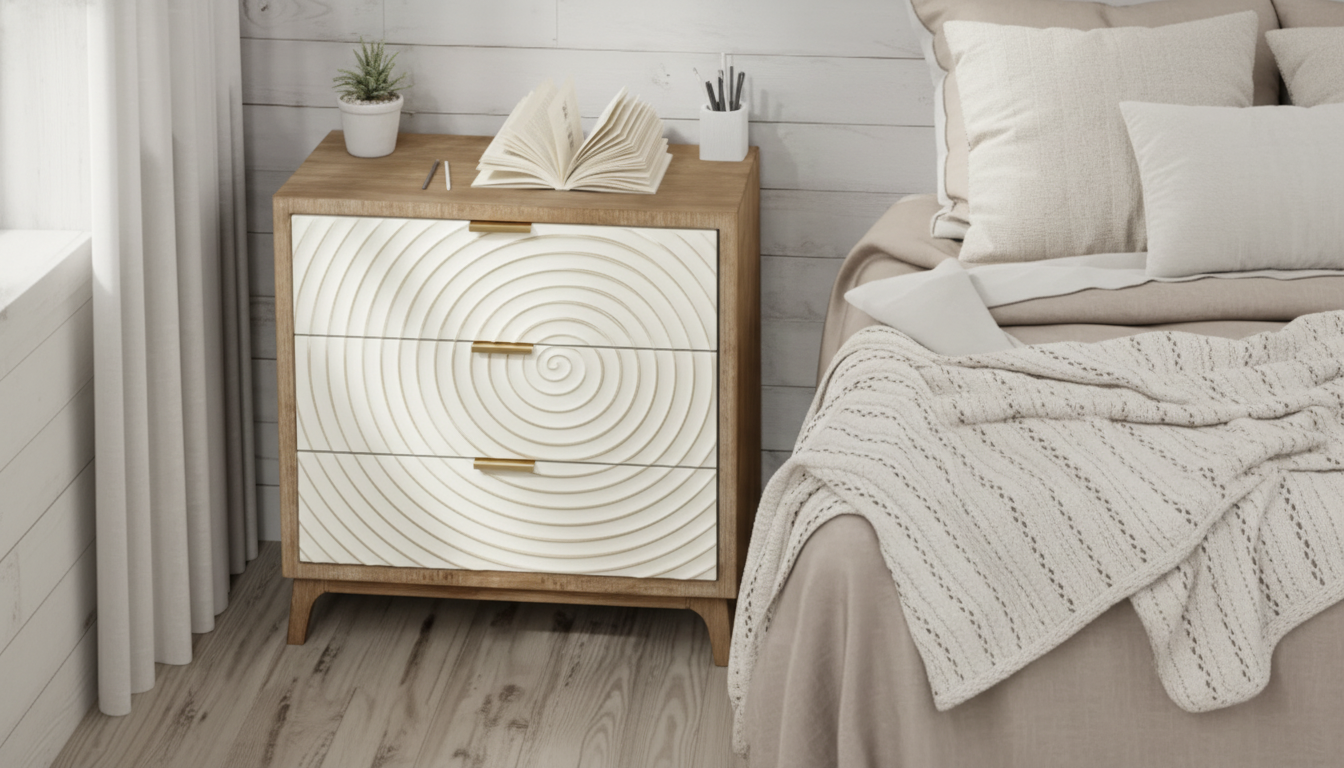
| Wood tone | Oak, walnut, light ash (consistent undertone) | Floors, casegoods, frames | Too many competing wood undertones in one sightline |
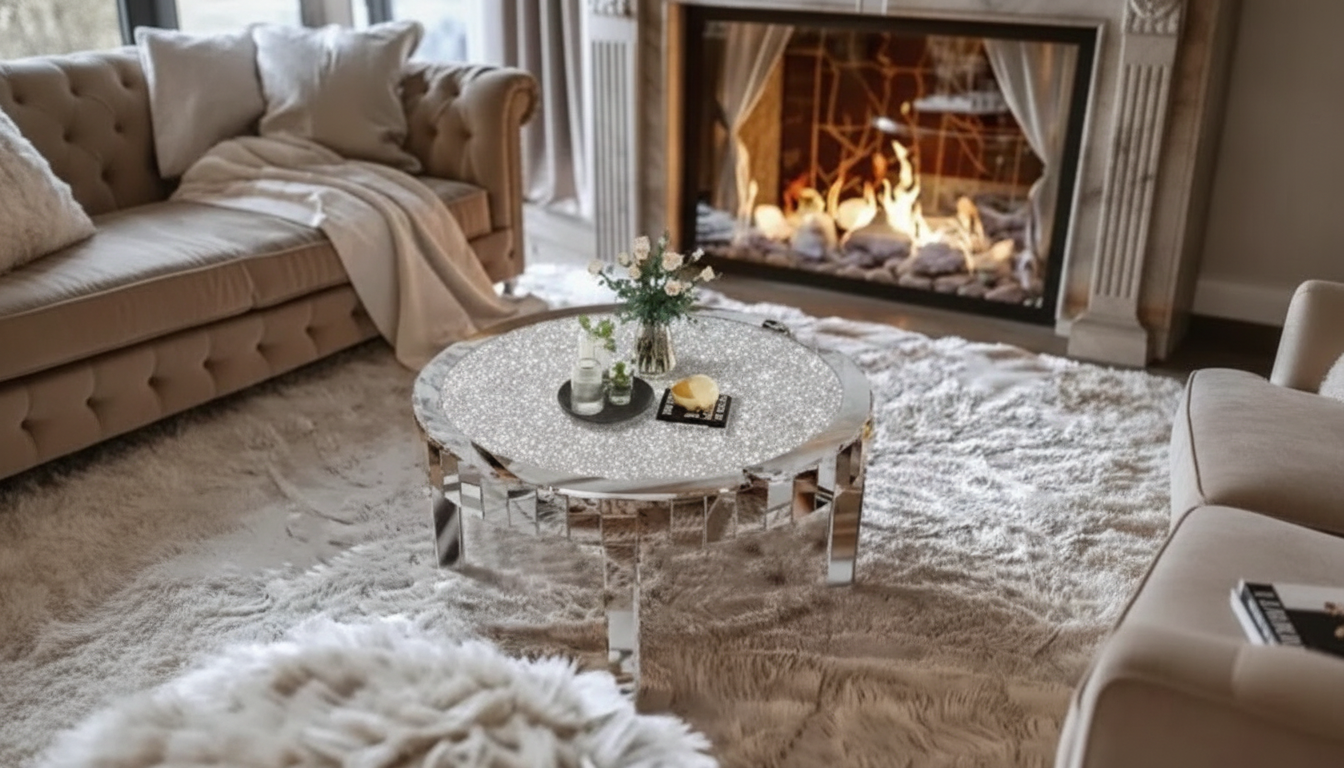
| Stone look | Travertine, limestone, honed marble look | Coffee tables, consoles, bath surfaces | High-gloss, busy patterns that overpower |
| Hardware/metal | Brushed brass, antique brass, blackened steel, nickel | Lighting, pulls, faucets (kept consistent) | Mixing 3–4 finishes in one small room |
| Textiles | Linen, wool, cotton, bouclé (neutral) | Drapery, bedding, upholstery, throws | Overly shiny synthetics that reflect harshly |
Neutrals can look creamy and dimensional—or dull and gray—depending on the lighting plan. Aim for layers, warmth, and control.
For efficiency and practical guidance on bulbs and fixtures, ENERGY STAR lighting resources can help narrow down reliable options.
If the goal is a home that feels quietly elevated year after year, stick to a sequence that prioritizes foundations over impulse buys. Minimalism as a principle has long emphasized reduction, clarity, and intention; for background on the movement’s core ideas, see Britannica’s overview of minimalism.
For a workbook-style structure that keeps choices consistent (and reduces expensive “redo” purchases), see: Guide to Quiet Luxury Interiors | Minimalist Home Design eBook | Neutral Palette, Timeless Style & Interior Design Checklist.
To extend the calm beyond the room—especially for early mornings and wind-down routines—neutral, well-made basics can reinforce the same understated mood. Two in-stock options that pair naturally with a pared-back palette are Birkenstock Women’s Beige Suede Slippers with Buckle and Bow and Calvin Klein Jeans Women’s Beige Sneakers.
Focus on warm whites, ivory, greige, taupe, stone, camel, and soft charcoals; keep undertones consistent and add contrast through texture and one darker anchor tone.
Add warmth with layered textiles (linen curtains, wool rug, cotton bedding), softer lighting with dimmers, and natural materials like wood and matte ceramics while keeping surfaces edited.
Lighting and hardware: swap to classic fixtures with warm bulbs and unify metal finishes; then improve high-touch textiles like bedding and towels for an immediate quality lift.











Leave a comment