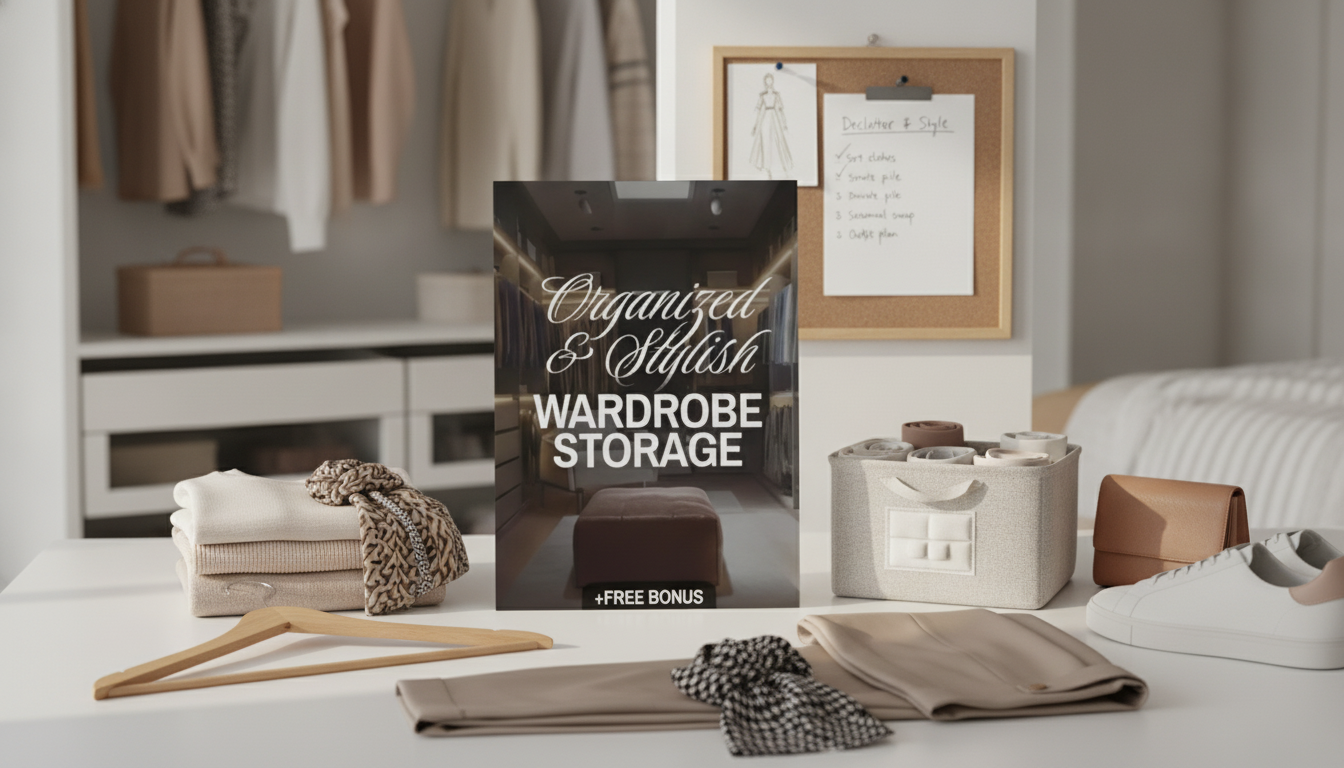
A well-planned closet makes daily outfits easier, protects clothing, and frees up space—especially in small rooms. A simple reset works best when it’s realistic: declutter with clear rules, set up storage zones, use space-saving tools, and maintain a system that stays stylish and functional. For more guidance, see [PDF] closet organization ideas space saving hacksutm mediumsocial utm ….
If your closet feels “too far gone,” start with a quick win. A short reset builds momentum without turning into an all-day project. For further reading, see 15 Closet Organization Ideas to Maximize Space | Ruffino.
If clutter feels emotionally sticky or hard to discard, it may help to understand how clutter patterns form; the Mayo Clinic overview on hoarding disorder is a useful, compassionate read for recognizing warning signs and getting support when needed.
Most closet clutter isn’t about volume—it’s about uncertainty. Simple decision rules reduce the “maybe” spiral and keep your closet aligned with your real life.
| Item situation | Best action | Storage note |
|---|---|---|
| Doesn’t fit right now | Keep only if likely to fit within 3–6 months | Store in a labeled bin (size/goal/date) |
| Duplicate basics (many similar tees/jeans) | Keep the top 2–3 favorites | Fold or hang by color for easy comparison |
| Special-occasion wear rarely used | Keep if truly needed and fits perfectly | Use garment bag; store at edge of closet |
| Uncomfortable shoes | Donate/sell unless required for a uniform | Avoid “maybe” piles—shoes take prime space |
| Needs minor repair | Schedule repair within 2 weeks or let go | Keep in a small “repair” pouch, not on shelves |
A closet stays organized when the layout supports your routine. Build around what you reach for Monday morning—not what looks perfect in a photo.
If you want a guided, printable approach, the Organized and Stylish Wardrobe Storage: Closet Organization Guide eBook is a handy step-by-step companion for building zones, routines, and small-space solutions.
Small closets can feel generous when you use vertical space, reduce “air gaps,” and give each category a defined container.
For more layout inspiration and practical organizing upgrades, Good Housekeeping’s closet organization ideas offers a wide range of approaches you can adapt to your space.
Style isn’t just decoration—it’s a “stay tidy” tool. When a closet looks calm, it’s easier to keep it that way.
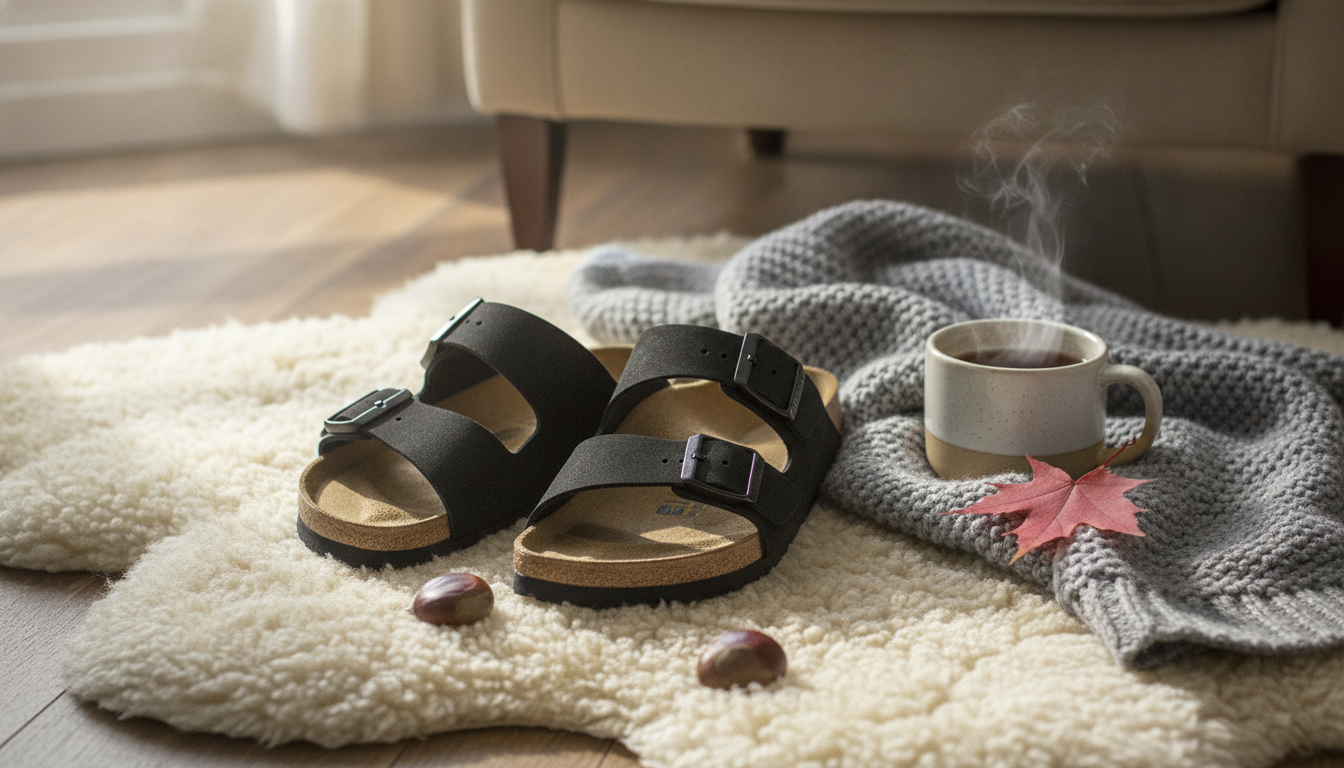
When you’re curating your “front-line” lineup, choose pairs that match multiple outfits. Neutral, everyday options like Calvin Klein Jeans Women’s Beige Sneakers can reduce the need for extra duplicates, while a comfortable house-to-door pair like Birkenstock Women’s Beige Suede Slippers with Buckle and Bow helps keep entryway and closet floors clear.
A closet tends to feel organized when everything fits, gets worn, and has a defined home—often around 30–60 “in-season” items for everyday life, depending on space and dress code. Keep an everyday core accessible and store off-season pieces elsewhere so the closet isn’t doing double duty year-round.
Use vertical storage (hanging shelves, over-the-door organizers), labeled bins, and shelf dividers to create drawer-like boundaries. Fold tees and knits to stand upright in bins, and keep a limited front-line shoe count (about 8–12 pairs) to protect floor space.
Rely on a lightweight routine: a one-minute nightly reset, a weekly closet-floor clear, a monthly “pull 5 items” mini-declutter, and a seasonal swap for off-season clothing. Add a one-in, one-out rule for categories that overflow to prevent slow creep.









Leave a comment