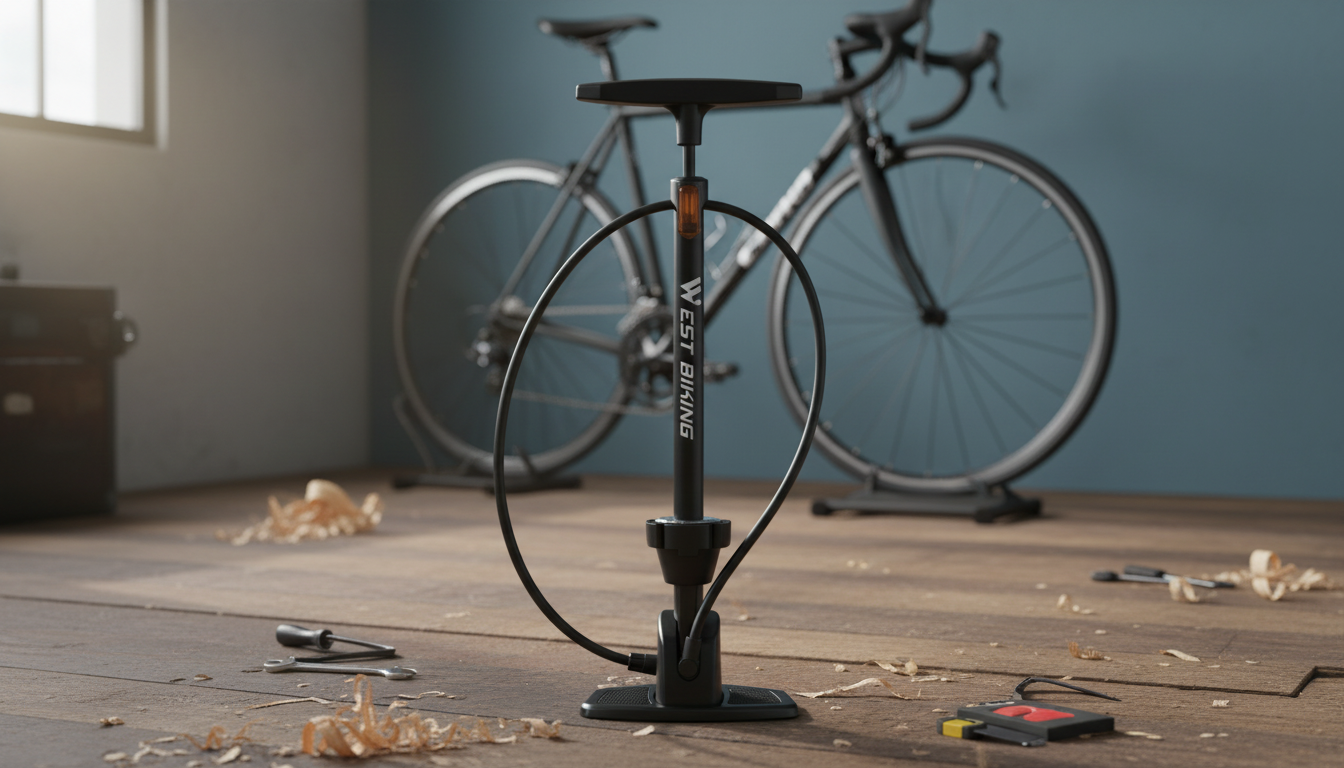
A reliable floor pump makes tire pressure quick to dial in and easy to repeat. A high-pressure design paired with a clear gauge helps reach road-bike PSI targets and fine-tune pressure for comfort, grip, and puncture resistance. This guide covers what to look for, how to use a pump that fits both Presta and Schrader valves, and practical tips for accurate readings and long-term durability. For more guidance, see Group test: Choose the best portable cycle pumps.
A high-pressure floor pump is built for fast, efficient inflation when you want repeatable results at home. It’s especially helpful when you’re topping off before a ride and don’t want to rely on portable options that can be slower and harder to control. For further reading, see Group test: Choose the best floor pumps.
A built-in gauge makes it easier to hit the same pressure ride after ride, which helps keep handling predictable. While any gauge can have minor variance, repeatability is often what matters most—using the same pump consistently gives you a reliable baseline.
| Bike setup | Typical range (PSI) | Notes |
|---|---|---|
| Road (narrow tires) | 80–110 | Higher pressures roll fast; comfort and grip may improve slightly lower. |
| Hybrid/commuter (medium) | 50–80 | Balance speed and comfort; adjust for rider weight and load. |
| Mountain (wider) | 20–35 | Often run lower; use a gauge that reads low PSI clearly for best precision. |
| Kids/utility | 30–60 | Follow tire sidewall; avoid overinflation for safety. |
For more detailed guidance that accounts for rider weight, tire width, and riding surface, see Zipp’s tire pressure recommendations: Bicycle Tire Pressure—Rider/Bike Setup Guidance.
Most frustrating pumping problems come down to a mismatched or poorly seated pump head. Knowing which valve you have—and how the head should lock onto it—prevents air leaks and saves time.
If you want a visual refresher on valve basics and inflation steps, Park Tool’s repair help is a solid reference: How to Inflate a Bicycle Tire (Presta and Schrader basics).
The goal is a tight seal during pumping and a clean removal at the end. A quick, straight disconnect minimizes leakage and helps your gauge reading match what’s actually in the tire.
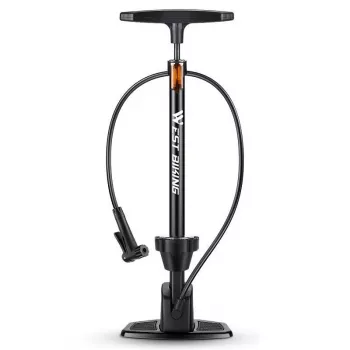
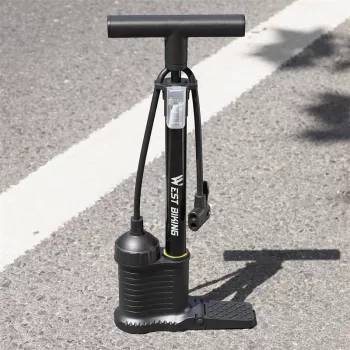
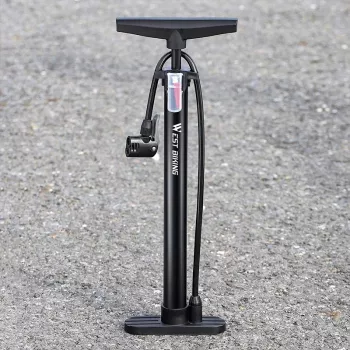
For households with more than one bike style, a dual-valve floor pump keeps routine maintenance simple. The High-Pressure Bike Floor Pump with Gauge – Fits Presta & Schrader Valves is designed for at-home inflation with a built-in gauge so pressures are easy to repeat across rides.
| Item | Value |
|---|---|
| Name | High-Pressure Bike Floor Pump with Gauge – Fits Presta & Schrader Valves |
| Availability | In stock |
| Price | 152.01 USD |
| Best for | Fast, repeatable at-home inflation across common valve types |
Many dual-compatible pump heads switch internally or use a reversible insert, so an adapter often isn’t needed. Adapters typically come into play when the pump head is single-type or you’re dealing with a special valve—always confirm the head is set correctly to prevent leaks.
A short hiss is usually the air in the hose escaping, not a meaningful amount from the tire. Remove the head quickly and straight; if pressure drops noticeably, the head may not be sealing well or the valve core may be slightly loose.
Use the tire sidewall range as your primary guide, then adjust based on rider weight, tire width, load, and comfort. Stay within tire and rim limits and change pressure in small steps until the ride feel and traction are where you want them.







Leave a comment