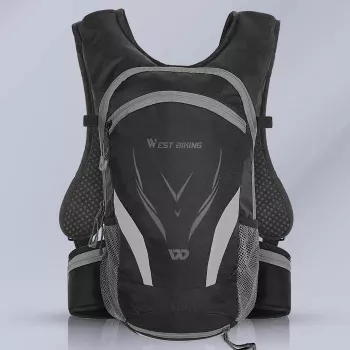
A compact 16L pack can be the difference between riding unencumbered and carrying a bulky bag that shifts on every climb. This ultralight waterproof cycling and outdoor sports backpack is designed for day rides, commutes, and fast hikes where stable carry, weather protection, and quick access matter more than extra volume. For more guidance, see What Gear Do I Need for a Week-long Tour as a Newbie?.
For many riders, the “sweet spot” is a pack that disappears while you pedal—low-profile enough to stay stable, but big enough to cover the basics. A 16L capacity hits that middle ground, especially for road, gravel, and light trail riding. For further reading, see The Best Hiking Daypacks of 2026 | Tested & Ranked.
Bike-specific comfort comes down to two things: how the pack handles motion and how it handles weather. On rough pavement, washboard gravel, or punchy climbs out of the saddle, small design choices make a big difference.
For fit guidance that translates well to cycling, the sizing and adjustment principles from REI’s backpack fitting advice are a helpful reference—especially when dialing in strap tension and load placement.
A simple spec sheet doesn’t tell the whole story, but it does clarify whether a pack is meant for minimalist rides or bigger adventures.
| Spec | Value | Why it matters |
|---|---|---|
| Capacity | 16L | Balances carry needs with a low-profile shape for stability |
| Use | Cycling, hiking, outdoor sports, commuting | Versatile setup for mixed weekly routines |
| Weather protection | Waterproof | Helps keep essentials drier in sudden showers |
| Weight class | Ultralight | Less fatigue and less sway over long distances |
Even a great pack can feel distracting if it’s set up too low or packed unevenly. A few minutes of adjustment before rolling out can pay off for the rest of the ride.
One practical check: if you feel the pack “thump” when you ride over cracks or stand to accelerate, it’s usually a sign the load is sitting too low or the heaviest item is too far from your back.
“Waterproof” is a strong starting point, but real-world wet conditions are messy: wheel spray, puddle splash, wind-driven rain, and repeated opening/closing at stops. Materials can be highly water-resistant while seams and closures remain the usual weak points.
For a deeper look at how coated fabrics and water resistance are evaluated, ASTM D751 is a standard reference point used in testing contexts. And when conditions turn cold and wet, staying dry isn’t just comfort—NOAA’s hypothermia guidance is a reminder that wind and moisture can change risk quickly.
For most day rides, yes: a 16L pack typically fits a light layer, basic repair kit, snacks, and small valuables with room to spare. If you’re carrying bulky winter gear or all-day food and extra water, you may want more capacity or additional bike-mounted storage.
Waterproof materials help resist rain and road spray, but seams and closures are usually the first places moisture can sneak in during sustained downpours. For electronics, add a small dry pouch, and air-dry the pack after wet rides to help preserve the waterproof finish.
Set the pack high and close to your back, tighten straps evenly, and place heavier items centered and near your spine. After a few minutes of riding, stop briefly to re-check tension—small tweaks often eliminate bounce.









Leave a comment