HomeBlogBlogPlaid Fleece Dog Coat: Warm Two-Leg Skirt Fit

Plaid Fleece Dog Coat: Warm Two-Leg Skirt Fit

Plaid Fleece Dog Coat: Warm Two-Leg Skirt Fit

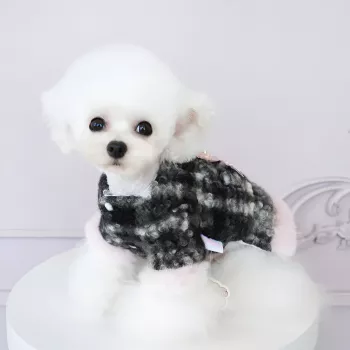
Cozy Plaid Puppy Fleece Coat – Warm Winter Two-Leg Skirt Outfit

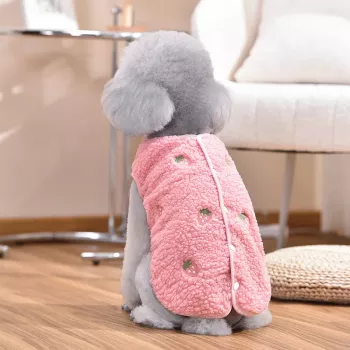
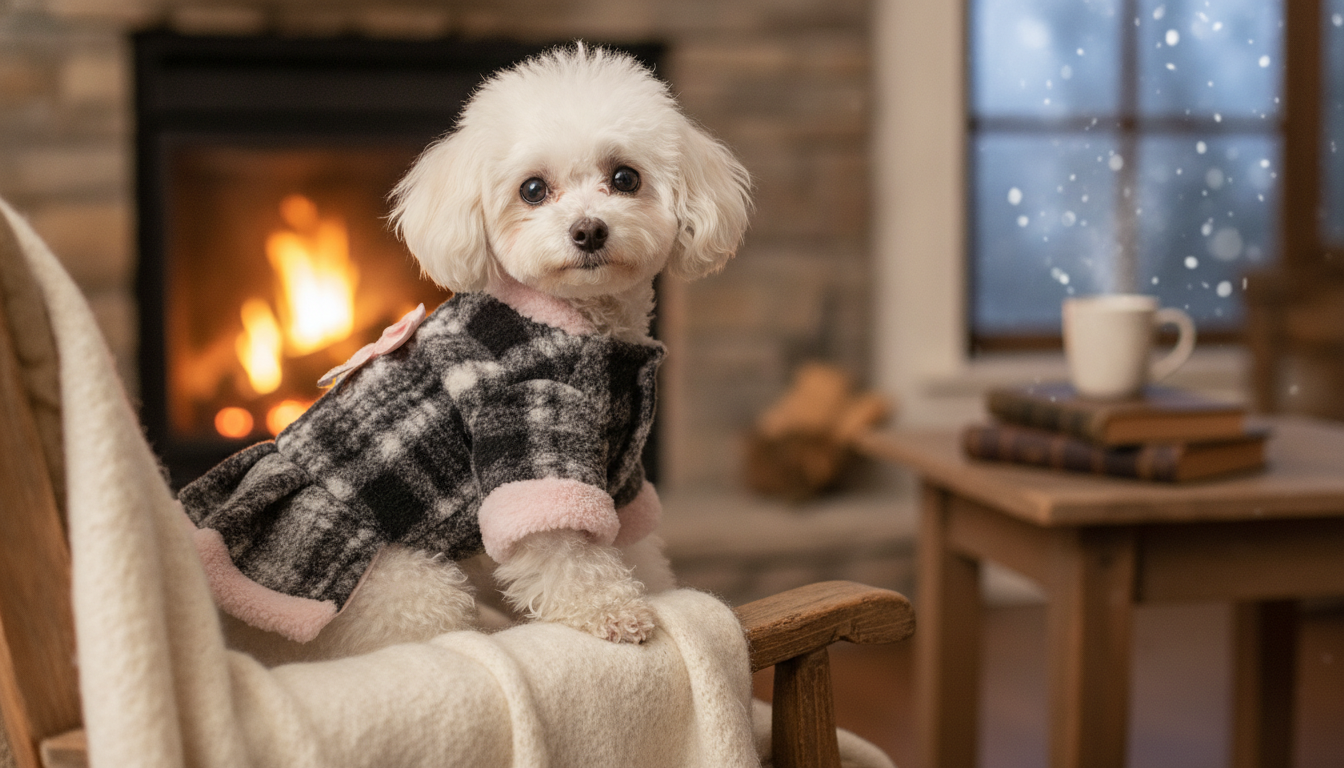
Chilly walks and drafty homes can leave small dogs and short-haired pups shivering. This plaid fleece coat with a two-leg skirt design adds an extra layer of warmth while keeping movement comfortable for everyday outings, quick potty breaks, and cold-weather photo moments. The result is a snug, classic-looking outfit that helps your pup stay cozy without the stiffness and bulk that can make some winter gear hard to tolerate.

What Makes This Winter Outfit Different

This coat focuses on warmth where many dogs need it most—across the chest, shoulders, and core—while keeping the feel light enough for regular wear.

  • Fleece-forward warmth designed for cold days without the bulk of heavy jackets.
  • Plaid look with a skirt-style back for a classic, dressed-up finish that looks great in everyday wear and seasonal photos.
  • Two-leg construction helps reduce shifting and keeps coverage more secure on the chest and shoulders during walks.
  • A smart pick for small breeds, puppies, seniors, and dogs that dislike full four-leg suits but still need warmth.
  • Layer-friendly design: works well as a standalone layer in cool weather or as a mid-layer under a raincoat on wet days.

For general cold-weather guidance, the American Kennel Club’s overview of winter sweaters is a helpful reference, especially for small, short-coated, and senior dogs.

Comfort and Fit: Getting the Right Size

The best winter coat is the one your dog will actually wear. A correct fit helps retain warmth and prevents the twisting, rubbing, or shoulder restriction that can make dogs “freeze” mid-walk.

  • Measure chest girth at the widest part of the ribcage; this is typically the most important measurement for coats.
  • Measure back length from the base of the neck to the start of the tail; aim for coverage without restricting tail movement.
  • Measure neck girth where a collar naturally sits; ensure breathing and swallowing stay unrestricted.
  • If between sizes, choose the larger size for fluffy coats or broad-chested dogs; choose snugger for slim, short-coated dogs to retain heat.
  • Check mobility: the front legs should step forward freely with no rubbing under the armpits.
  • For puppies, allow a little growing room but avoid excess looseness that can twist during walking.

At-a-Glance Fit Checklist

Area Goal Quick Test
Chest Warm coverage without squeeze Two fingers fit comfortably under the coat
Neck Comfortable, not tight Dog can swallow and turn head easily
Front legs No chafing Walk 10–20 steps; no hopping or shoulder restriction
Back length Good coverage Ends before tail base; no bunching when sitting
Skirt portion Sits flat Doesn’t flip up or snag when trotting

Warmth for Real-World Winter Routines

Not every dog needs an extreme-weather snowsuit, but many dogs benefit from a dependable warm layer for everyday winter life. This style is especially useful for routines that involve frequent temperature changes—like stepping outside briefly, hopping in and out of the car, or walking between buildings.

  • Ideal for short outdoor sessions: brisk walks, quick errands, car rides, and patio time.
  • Helpful indoors for cold floors or drafts, especially for tiny breeds that cool down quickly.
  • Pairs well with a harness; confirm harness placement doesn’t compress the fleece or rub at seams.
  • Layering tip: use this fleece as a cozy base layer; add a water-resistant shell on wet, windy days.
  • In very cold conditions, limit time outside and watch for shivering, paw lifting, or reluctance to move—signs the dog needs to warm up.

For broader winter safety reminders (including time outdoors and exposure concerns), review the ASPCA’s cold weather safety tips.

How to Put It On (Without the Wiggles)

A calm routine turns “getting dressed” into something your dog predicts and accepts—rather than an event to dodge.

  • Start calm: put the coat on after a short indoor play session when energy is lower.
  • Guide one front leg at a time through the openings; avoid forcing joints at odd angles.
  • Smooth the fleece along the shoulders and chest so the fabric lays flat and doesn’t twist.
  • Do a quick range-of-motion check: encourage a sit, stand, and a few steps to confirm comfort.
  • Reward after removal too, so the routine stays positive from start to finish.

Care and Cleaning for Fleece and Plaid Fabrics

Fleece is cozy, but it performs best when it’s clean, dry, and free of packed-in debris. Light maintenance also helps prevent odors and keeps the fabric comfortable against your dog’s coat.

Safety Notes for Cold-Weather Clothing

Product Details and Purchase Option

More In-Stock Picks for Cold Days

FAQ

Does a fleece coat keep a dog warm enough in winter?

Fleece works as an insulating layer for cool-to-cold conditions, especially for small or short-haired dogs. In wind, rain, or extreme cold, it’s best to shorten outings or add a windproof/waterproof shell on top.

How should a two-leg dog coat fit around the shoulders?

It should feel secure without restricting movement—use the two-finger rule at the chest and confirm there’s no rubbing in the armpits. Your dog should be able to turn their head easily and take normal-length steps without hopping.

Can a dog wear a coat indoors?

Yes, especially in drafty homes or for dogs that chill easily, but monitor for overheating and remove it during active play or in warmer rooms. Don’t leave it on unattended dogs that might chew or get caught on fabric.

Was this article helpful?

Yes No
Leave a comment
Top

Shopping cart

×