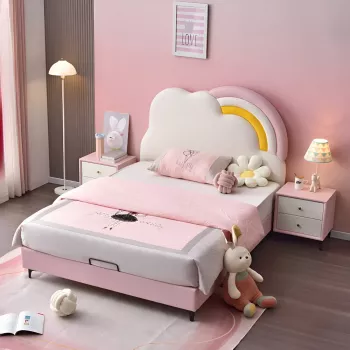
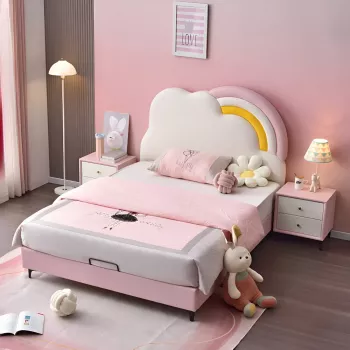
A well-made wood bed frame can anchor a child’s room with a clean look, steady support, and everyday practicality. The best options feel visually quiet, hold up to daily movement, and stay comfortable as kids grow from early bedtimes to weekend reading marathons. Below are the details that tend to matter most—fit, safety, materials, setup, and upkeep—so the bed supports real life, not just a staged photo.
“Modern” doesn’t have to mean stark or cold. For kids’ rooms, modern design works best when it’s simple, sturdy, and easy to live with.
If you’re shopping for a clean-lined option that can transition across ages and décor changes, consider the Modern Kids Wood Bed Frame as a neutral base you can restyle with bedding and wall art over time.
Most frustration with kids’ bedroom furniture comes down to sizing assumptions. A few measurements upfront can prevent cramped walkways, blocked drawers, and awkward nightstand placement.
| Item to Measure | Target | Notes |
|---|---|---|
| Bed wall length | Bed length + a few inches | Avoid tight corners that scrape baseboards |
| Side clearance | Comfortable walkway | Ensure door swing and closet access stay clear |
| Headboard area | Space for pillow + wall outlet access | Keep cords behind furniture when possible |
| Under-bed clearance | Fits storage bins (if using) | Choose lidded bins to reduce dust |
| Rug placement | Front 2/3 of bed area | Helps with warm footing at wake-up time |
Kids are tough on furniture, so it’s worth paying attention to construction details beyond the first impression.
For more on children’s sleep basics and routines, the American Academy of Pediatrics provides practical guidance at HealthyChildren.org.
If your bedtime routine includes a final “quiet house” walk-through, comfortable indoor footwear can help. Some families like keeping a pair near the hallway, such as Birkenstock Women’s Beige Suede Slippers with Buckle and Bow, so adult footsteps stay softer during late-night check-ins.
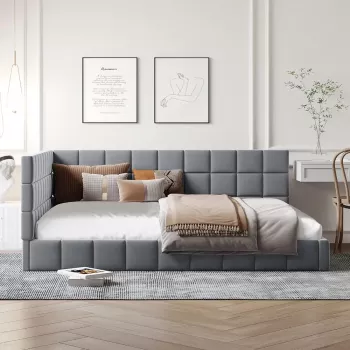
To complete a clean, modern look, coordinate a neutral bedside setup with a streamlined frame like the Modern Kids Wood Bed Frame, then let posters, quilts, and rugs carry the theme.
For standards work related to furniture and safety testing, ASTM International is a helpful reference point: https://www.astm.org/.
Many modern wood bed frames use slats and don’t require a box spring. Check both the frame instructions and the mattress manufacturer’s requirements, and confirm slat spacing and center support are appropriate for the mattress type.
Re-tighten hardware after the first week and then periodically, since normal settling can loosen bolts. Felt pads at contact points, evenly seated slats, and a level floor (or furniture pads to correct wobble) also help reduce noise.
Keep clear walkways, manage cords so they don’t cross traffic paths, and avoid placing heavy items directly above the bed. If tall furniture is nearby, anchor it to reduce tip-over risk, and make sure the mattress fits snugly in the frame’s support system.









Leave a comment