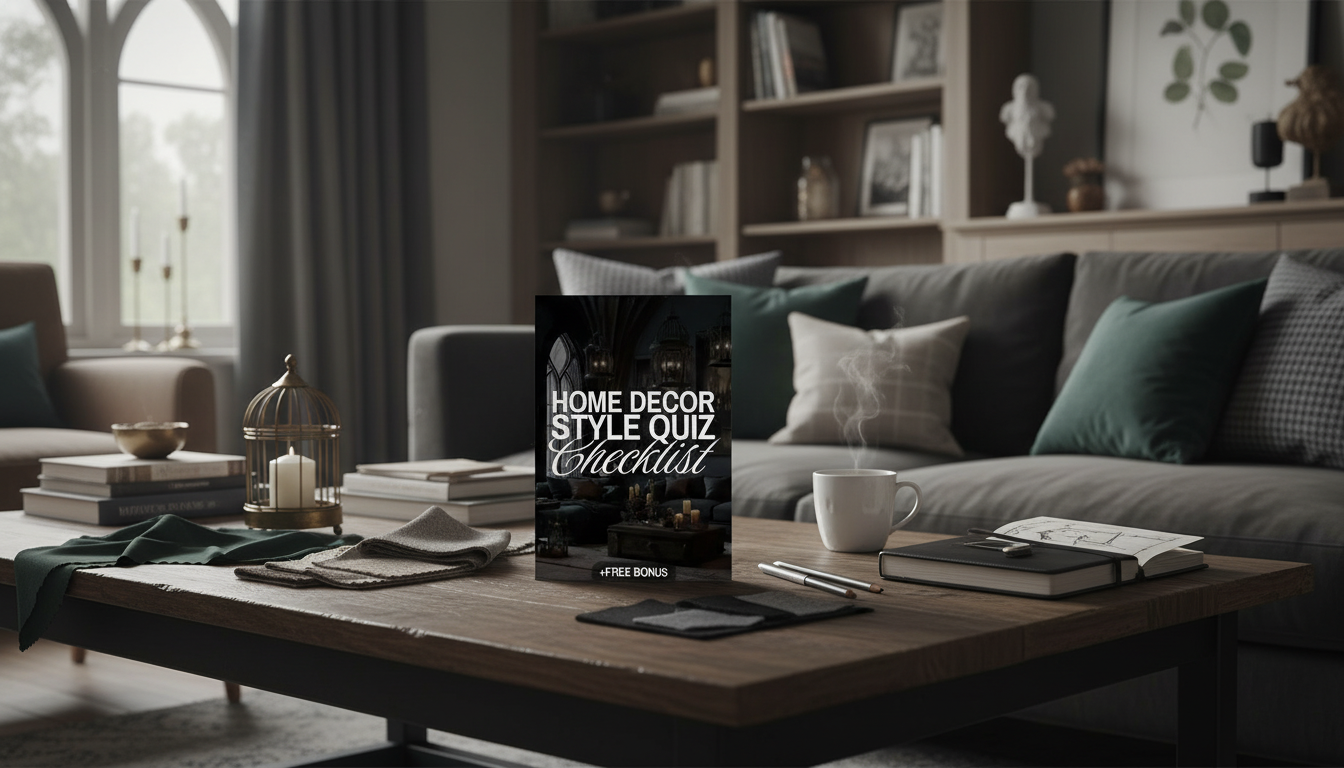
Saved photos and mood boards are helpful, but they can also blur together into a pile of “pretty” without a plan. A fast home decor style quiz forces decisions—so shopping and decorating feel less like guessing and more like building.
Color choices also carry an emotional tone—calm, energized, grounded—so naming your direction early makes each room feel intentional. For a helpful overview of how color can influence mood, see The Psychology of Color in Interior Design.
Move quickly and pick what feels most natural. Your first instincts are usually the most consistent.
Score it simply: tally the options you chose most often. That “cluster” is your core direction. If you have a tie, keep both—but assign one as the base style and one as the accent style.
Use the signals below to label your top 1–2 styles, then choose one as the “base” and the other as the “accent.” If results feel split, prioritize the style that best fits your home’s architecture and the biggest pieces you already own (sofa, bed, dining table).
| Style direction | Color + contrast | Materials + textures | Typical decor cues |
|---|---|---|---|
| Modern / Contemporary | Neutrals, strong contrast, minimal patterns | Metal, glass, smooth woods, leather | Sculptural lighting, clean silhouettes, negative space |
| Scandinavian / Minimal cozy | Light neutrals, soft contrast | Light woods, wool, linen, matte finishes | Simple forms, functional pieces, warm lighting |
| Traditional / Classic | Balanced neutrals, gentle contrast | Wood, brass, layered textiles | Symmetry, framed art, timeless shapes |
| Boho / Eclectic | Warm neutrals with multiple accents | Rattan, textiles, mixed patterns, handmade items | Layering, collected objects, plants, global-inspired details |
| Farmhouse / Rustic | Whites + warm woods, medium contrast | Reclaimed wood, iron, natural fibers | Weathered finishes, simple forms, cozy textures |
| Industrial | Dark neutrals, high contrast | Concrete, metal, distressed wood | Exposed elements, utilitarian lighting, sturdy shapes |
| Coastal | Airy neutrals with blue/sea-glass accents | Linen, jute, light woods | Relaxed shapes, breezy textiles, nature-inspired decor |
Use this as a “yes/no” filter before each purchase. When your room evolves slowly, the checklist is what keeps it from drifting.
If you want a simple design framework to support these rules, the “Repetition” concept from the C.R.A.P. principles (Contrast, Repetition, Alignment, Proximity) is a helpful reference point: C.R.A.P. design principles.
Choose the anchor first (sofa or rug). Then pull your palette and textures outward from that one item so everything relates back to it.
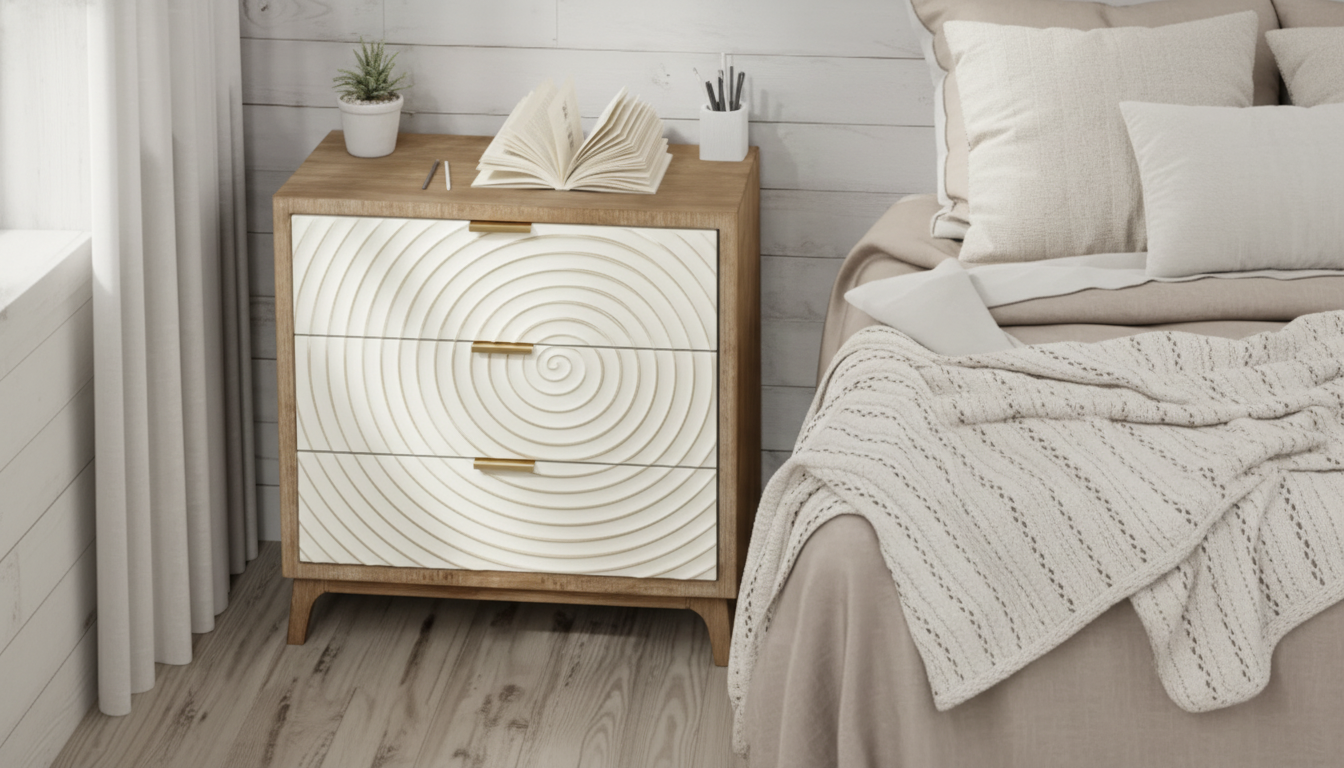
Prioritize calm: fewer patterns, softer contrast. Add depth through layers—quilt, duvet, throw, and at least two pillow textures.
For a ready-to-use version you can print or keep on your phone, the Home Decor Style Quiz Checklist (digital download) includes the guided quiz, the style signals cheat sheet, and a room cohesion checklist you can reuse for every space.
Optional “comfort helpers” for long days of browsing showrooms or thrifting (especially when you’re comparing finishes and materials up close): Calvin Klein Jeans Women’s Beige Sneakers and Birkenstock Women’s Beige Suede Slippers with Buckle and Bow.
Choose one as the base style for large pieces (sofa, bed, dining table), then use the second as an accent style for decor, art, and textiles. Keep cohesion by following the palette and material rules so both styles share the same “thread.”
A practical guideline is to repeat each chosen color at least three times in the room. Use different textures or lighter/darker versions of the same color so it feels layered rather than overly matched.
Yes—having a checklist reduces costly mistakes and supports phased buying because each purchase has a clear job to do. It also helps prioritize high-impact items like lighting, rugs, and textiles before smaller accessories.









Leave a comment