HomeBlogBlogInstant Wall-Mounted Electric Water Heater: LCD Control

Instant Wall-Mounted Electric Water Heater: LCD Control

Instant Wall-Mounted Electric Water Heater: LCD Control

Everyday Hot Water Without a Tank

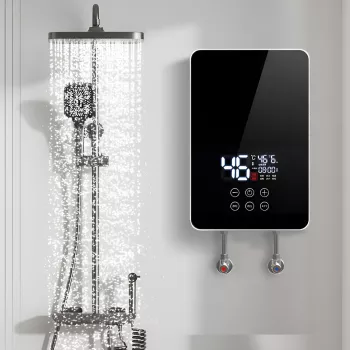
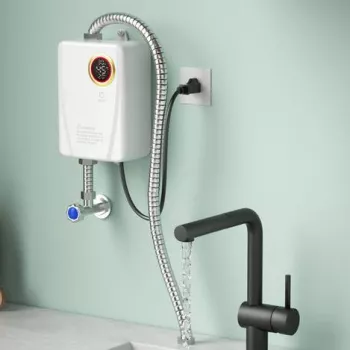
An instant, wall-mounted electric water heater is a practical way to get hot water on demand without dedicating space to a bulky storage tank. It’s especially useful in apartments, small homes, offices, and point-of-use locations where quick hot water matters most. An LCD display adds day-to-day convenience by making temperature settings and operating status easy to read at a glance—helpful when multiple people share the same sink or when seasonal water temperature changes affect performance.

What an Instant Wall-Mounted Electric Water Heater Does

Unlike traditional tank-style heaters that store and reheat a volume of water, an instant (tankless) electric unit heats water as it flows through the heater. That “on-demand” approach can be a great fit for targeted needs where you want hot water quickly at a specific fixture.

  • Heats water as it flows through the unit, instead of storing hot water in a tank.
  • Mounts to a wall to free up floor space and keep plumbing runs compact.
  • Best for point-of-use needs (single sink, utility area, small bathroom) or as a supplemental heater.
  • Reduces standby heat loss common with many storage tanks, since water is heated only when needed.
  • Performs best when capacity matches reality: incoming water temperature and flow demand must align with what the unit can deliver.

For a plain-language overview of how demand-type heaters work and where they make sense, the U.S. Department of Energy provides a helpful guide: Tankless or Demand-Type Water Heaters.

Why the LCD Display Matters for Daily Use

Small usability details can make a noticeable difference when the heater is used every day. An LCD display helps reduce guesswork and makes it easier to keep water temperatures consistent for routine tasks.

  • Quick temperature checks reduce constant knob turning and “wait-and-see” adjustments.
  • Clear readouts support consistent temperatures for handwashing, dishwashing, and utility use.
  • Status visibility can help you spot changes in operation sooner (for example, if the unit isn’t heating as expected).
  • Safer routines are easier to maintain when temperature is controlled and visible—especially in households with kids or seniors.

LCD-enabled usability at a glance

Feature Practical benefit When it helps most
Numeric temperature display More consistent comfort and less trial-and-error Shared spaces, busy mornings, frequent handwashing
Simple up/down or dial-style setting control Faster temperature changes without overcorrecting Seasonal incoming-water changes
Status indicators (varies by model) Quicker troubleshooting when water isn’t heating as expected New installs, occasional-use locations

Where This Style of Heater Fits Best

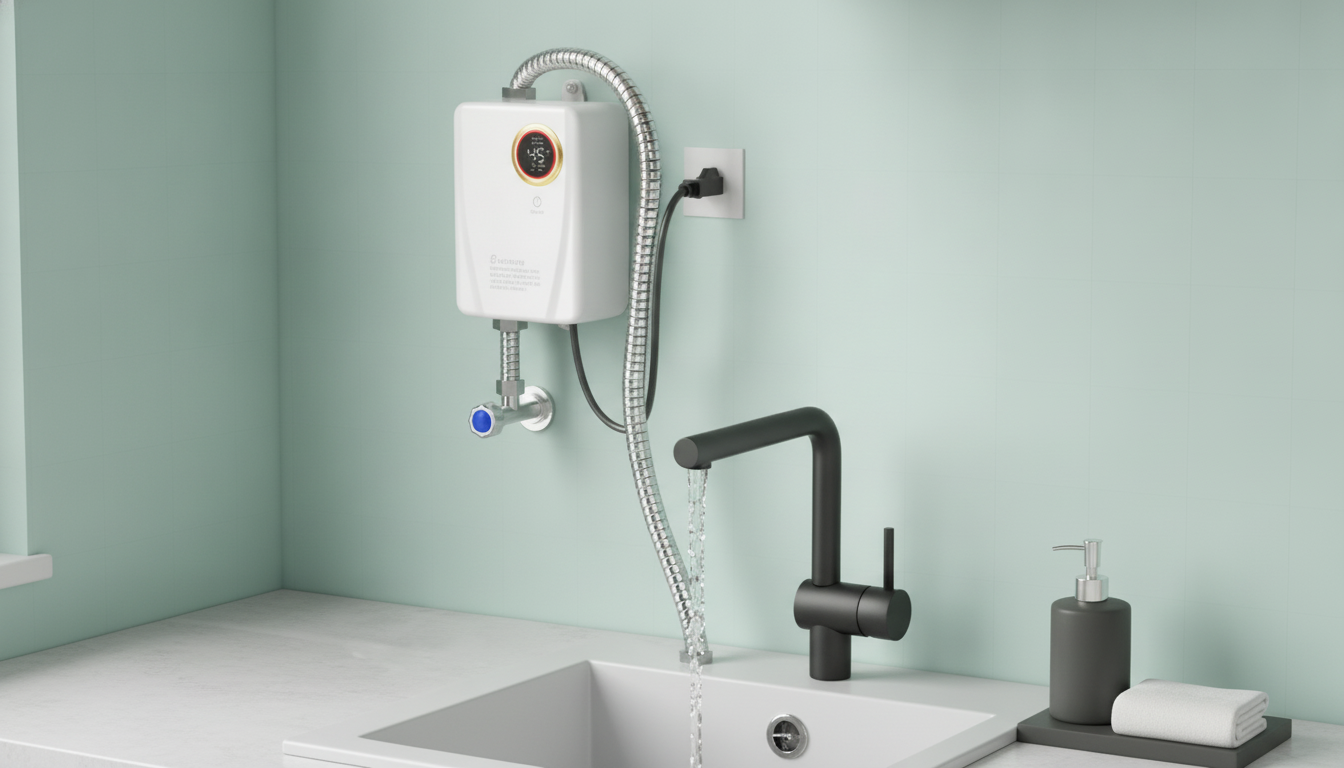
Instant wall-mounted electric units shine when they’re placed close to the fixture they serve. That point-of-use placement can mean less waiting, less wasted water, and a more responsive feel at the tap.

  • Small bathrooms or powder rooms where a full tank heater is inconvenient.
  • Kitchen or bar sinks that benefit from quick hot water close to the faucet.
  • Laundry or utility rooms where warm water helps with cleaning tasks.
  • Remote fixtures (garage, workshop, guest suite) where long pipe runs waste time and water.
  • Supplemental hot-water support to reduce wait time at distant taps.

Installation and Placement Essentials

Because instant electric heaters draw power while actively heating, planning the electrical side is just as important as plumbing placement.

  • Confirm electrical requirements match the available circuit capacity; many instant heaters require dedicated power depending on output.
  • Mount to a stable wall surface with adequate clearance for wiring, plumbing connections, and future service access.
  • Keep it close to the fixture to reduce heat loss in pipes and improve response time.
  • Follow local codes for electrical and plumbing; professional installation can be appropriate for new circuits or panel work.
  • Plan for shutoff valves and accessible connections to simplify maintenance.

Comfort, Performance, and What to Expect

Tankless performance is a balance of physics and expectations: the heater can only add so much heat energy at a given flow rate. When incoming water is colder or demand is higher, outlet temperature can change.

Safety, Care, and Long-Term Reliability

  • Use proper electrical protection (breaker sizing, grounding, and GFCI where required by code).
  • Avoid unnecessarily high temperatures to reduce scald risk—especially in homes with children or seniors. The U.S. Consumer Product Safety Commission offers scald-burn safety guidance here: Scald Burns.
  • Periodically check fittings for leaks and confirm the unit remains securely mounted.
  • Descale in hard-water areas since mineral buildup can reduce heating efficiency and flow performance.
  • Keep access unobstructed so controls, wiring, and connections can be inspected easily.

Product Option: Instant Wall-Mounted Electric Water Heater with LCD Display

Quick reference

Item Details
Product Instant Wall-Mounted Electric Water Heater with LCD Display
Price $182.32 USD
Availability In stock
Product page https://roomtreasures.shop/instant-wall-mounted-electric-water-heater-with-lcd-display/

More In-Stock Finds

FAQ

Can an instant electric water heater run a shower and a sink at the same time?

It depends on the heater’s capacity, the incoming water temperature, and the combined flow rate. Many point-of-use models are best for one fixture at a time, while higher-capacity units may support multiple fixtures under the right conditions.

Does an LCD temperature setting guarantee the water at the tap will match that number?

No. The display typically reflects the unit’s target setting or outlet conditions at the heater, while the water at the tap can vary due to plumbing distance, mixing with cold water at the faucet, and flow changes during use.

How often should an electric tankless heater be descaled?

In hard-water areas, descaling is commonly needed every 6–12 months, while softer water may require less frequent service. Follow the manufacturer’s instructions and adjust the schedule based on local water hardness and how heavily the heater is used.

Was this article helpful?

Yes No
Leave a comment
Top

Shopping cart

×