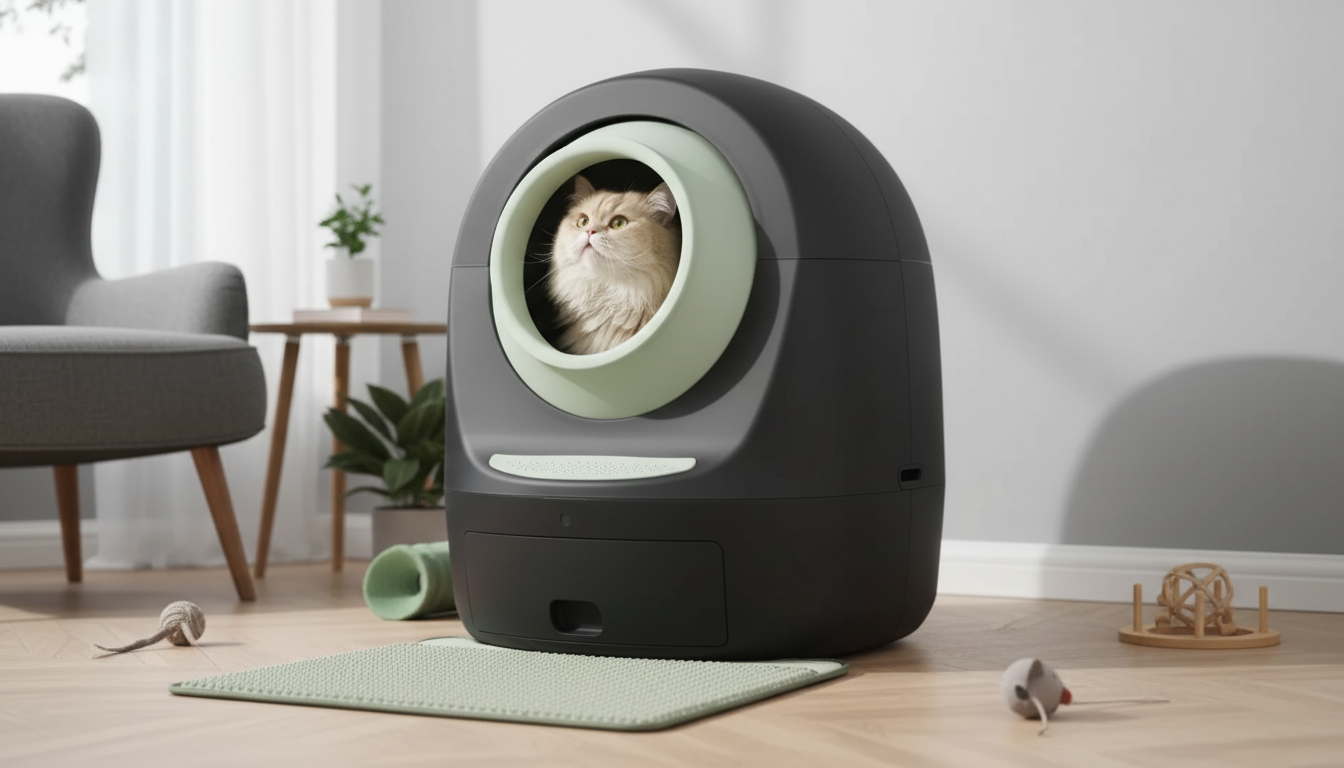
HomeBlogBlogOversized Self-Cleaning Litter Box: Odor Control & Space

Oversized Self-Cleaning Litter Box: Odor Control & Space

Oversized Self-Cleaning Litter Box: Odor Control & Space

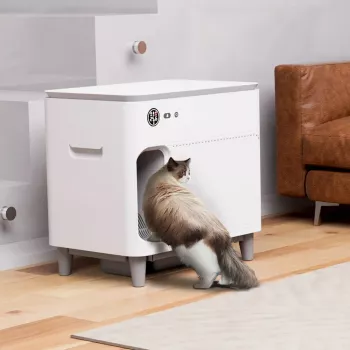
Automatic Oversized Self-Cleaning Cat Litter Box: Space, Odor Control, and Low-Maintenance Cleaning

An oversized self-cleaning litter box is designed for bigger cats, multi-cat homes, and anyone tired of constant scooping. The right setup can reduce odor, keep litter drier, and make daily maintenance feel closer to “check and empty” than “scoop and scrub.” When cats have enough room to turn, dig, and squat comfortably—and waste is removed soon after each visit—many of the most common litter box frustrations become easier to manage.

What makes an oversized self-cleaning litter box different

Oversized automatic litter boxes combine extra interior space with a mechanism that separates clumps after use. That mix matters for both comfort and cleanliness.

  • More room to move: A roomier interior helps larger cats turn around comfortably and reduces accidents caused by tight spaces.
  • Cleaner litter between full changes: Automatic cleaning cycles separate clumps after use to keep the bed of litter fresher.
  • Better containment: Enclosed designs can help contain scatter and odor, especially when paired with appropriate litter.
  • Fewer emptying trips: A larger waste compartment typically means fewer trips to empty compared with smaller automatic units.

Who benefits most

Not every household needs an oversized unit, but certain cats and routines see an immediate upgrade.

  • Large breeds and long-bodied cats: Cats that struggle with standard-size boxes often do better with more elbow room.
  • Multi-cat households: When one box gets saturated quickly, odors build faster and the litter bed degrades sooner.
  • Busy schedules: Automatic cycling helps keep hygiene consistent even when daily scooping is hard to maintain.
  • Odor-sensitive homes: Cleaner litter between changes can noticeably reduce lingering smells.

For behavior and hygiene basics, reputable guidance from the American Veterinary Medical Association (AVMA) and the ASPCA can be helpful when you’re troubleshooting avoidance or accidents.

Key features to look for before buying

Oversized and automatic are great starting points, but the details determine whether a box is genuinely easy to live with.

  • Entry height and opening size: Make sure seniors, kittens, and larger cats can enter comfortably (a step can help if needed).
  • Waste drawer capacity and odor sealing: Look for a design that closes tightly and supports odor control add-ons (like filters or sealed liners, if compatible).
  • Cleaning cycle timing: Delay settings can prevent the unit from running immediately after use, which helps nervous cats.
  • Ease of cleaning: Smooth surfaces, removable components, and access to corners make deep cleans less unpleasant.
  • Noise and vibration: Quieter operation helps reduce litter box avoidance, especially in skittish cats.
  • Safety approach: Sensors should stop movement when a cat is detected; the base should feel stable and not wobble.
  • Power and backup considerations: Know what happens during outages and how often consumables (liners/filters) need replacement.

Quick checklist: compare the essentials

What to check Why it matters Good sign
Interior space Comfort and fewer accidents Cat can turn and squat without brushing walls
Waste capacity Less frequent emptying Holds multiple days of waste for the household size
Cycle delay Reduces fear and tracking Adjustable delay after a cat exits
Odor sealing Smell control Well-sealed drawer and compatible odor control options
Cleaning access Hygiene and convenience Parts remove easily; surfaces wipe clean

Setup tips for a smooth transition

Even cats that love clean litter can be suspicious of new sounds and moving parts. A calm rollout usually works better than an overnight swap.

  • Keep placement familiar: Put the unit where the previous box was and keep the area low-traffic at first.
  • De-couple sound from “bathroom time”: Run a few cleaning cycles while your cat is in another room so the noise doesn’t feel connected to using the box.
  • Use familiar litter first: Start with the same litter type your cat already accepts; switch later only if clumping performance is poor.
  • Offer a backup temporarily: Keep a traditional box available for several days if your cat is cautious or easily startled.
  • Skip harsh cleaners: Avoid strong scents inside the litter area; mild soap and water is usually enough and less aversive.

Daily, weekly, and monthly care that keeps odor down

Self-cleaning doesn’t mean maintenance-free. A simple routine keeps the mechanism working smoothly and prevents odor from settling into seams.

Common troubleshooting

Product spotlight: Automatic Oversized Self-Cleaning Cat Litter Box

If the goal is a roomier, lower-effort routine—especially for large cats or multi-cat homes—an oversized automatic unit can be a practical upgrade. The Automatic Oversized Self-Cleaning Cat Litter Box is built around the idea of giving cats more space while reducing the daily burden of scooping through automatic cleaning cycles.

At-a-glance details

Item Details
Product Automatic Oversized Self-Cleaning Cat Litter Box
Price 604.01 USD
Availability In stock
Product page https://roomtreasures.shop/automatic-oversized-self-cleaning-cat-litter-box/

More in-stock picks to support an easy cleanup routine

FAQ

Will an oversized self-cleaning litter box work for multiple cats?

Yes, as long as the waste capacity and cleaning frequency match your household. Plan to empty the waste drawer more often and keep litter filled to the recommended level so clumps form and separate cleanly.

What type of litter works best with self-cleaning boxes?

Clumping litter that forms firm clumps quickly usually performs best because the unit can separate waste without smearing. Avoid overly dusty options if dust buildup interferes with moving parts or sensors.

How do cats adjust to an automatic litter box?

Most cats do best with a gradual transition: keep the box in a familiar spot, use any available cycle delay, and run cleaning cycles while your cat is elsewhere at first. Keeping a backup traditional box for a few days can reduce stress.

Was this article helpful?

Yes No
Leave a comment
Top

Shopping cart

×