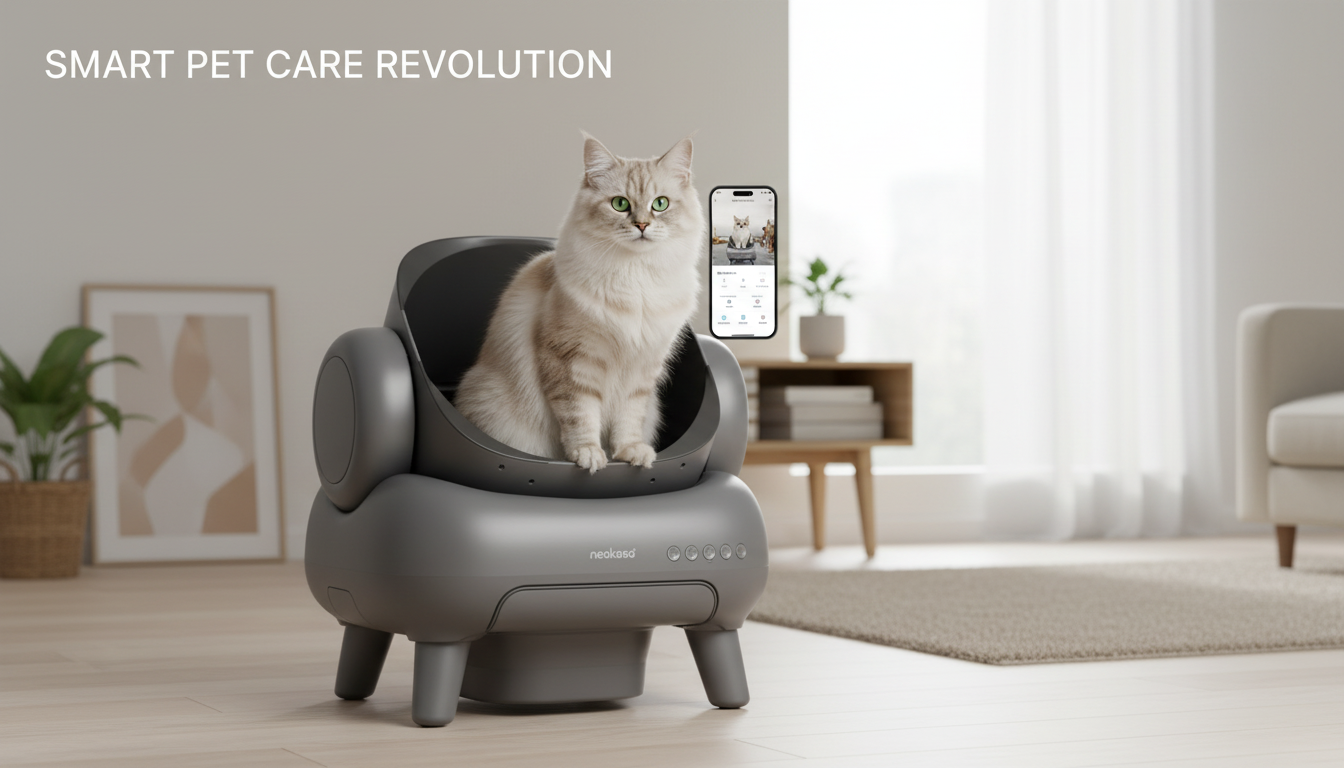
A cleaner litter area can mean fewer odors, less daily scooping, and better visibility into a cat’s routine. This smart automatic self-cleaning litter box focuses on hands-off waste removal, app-based monitoring, and odor control so the litter space stays fresher with less effort—especially helpful in small homes where the box can’t always be tucked far away.
| Feature | What it does | Why it matters day to day |
|---|---|---|
| Self-cleaning cycle | Removes clumped waste automatically after a visit | Less scooping and a cleaner litter surface for the next use |
| App control | Shows device status and sends alerts | Helps keep up with drawer changes and maintenance without guessing |
| Odor elimination approach | Helps contain and reduce smell around the box | Makes placement in shared living spaces more comfortable |
| Waste drawer/bin | Stores waste in a dedicated compartment | Fewer trips to the trash and less odor leakage between cleanouts |
| Safety sensors | Aims to prevent cleaning while a cat is inside/nearby | Supports safer operation in multi-pet households |
Most automatic boxes follow a simple rhythm: your cat uses the box, sensors register activity, and a cleaning cycle runs after a built-in delay. That delay matters—cats should be well away from the unit before anything moves.
If you’re monitoring health patterns, reputable resources like the Cornell Feline Health Center and the AVMA note that litter box behavior can reflect comfort, stress, or medical issues—so trend awareness is useful even when the box is self-cleaning.
Even the best odor-control design needs smart placement and consistent waste removal. A self-cleaning unit reduces “open-air time” for waste, but the surrounding environment still plays a big role.
For hygiene, especially for households with pregnancy or immune concerns, follow safe handling guidance such as the CDC’s recommendations on toxoplasmosis and litter (gloves, handwashing, and keeping waste contained).
A smooth transition prevents avoidance, accidents, and stress. The goal is to make the new box feel familiar before it becomes “active.”
Self-cleaning reduces scooping, but it doesn’t eliminate upkeep. A consistent routine keeps sensors accurate, seals effective, and odors under control.
The Smart Automatic Self-Cleaning Cat Litter Box with App Control and Odor Elimination is currently listed as in stock. It’s a practical pick for reducing daily scooping while keeping waste contained, and app-based monitoring can help maintain a consistent routine so the drawer doesn’t get forgotten until odors build up.
It can significantly reduce odors by removing waste quickly and keeping it contained, but it won’t eliminate smells 100% in every home. Results depend on how often you empty the waste drawer, the clumping litter used, room ventilation, and quick wipe-downs of seals and surfaces.
App control is mainly for notifications and monitoring, not constant hands-on operation. The box typically runs cleaning cycles on its own, while alerts help you stay on schedule for drawer changes and routine maintenance.
Many cats adjust in a few days, but a cautious transition can take a couple of weeks. Starting with the unit powered off, using familiar litter, and enabling automation gradually with longer delay settings usually improves acceptance.









Leave a comment